

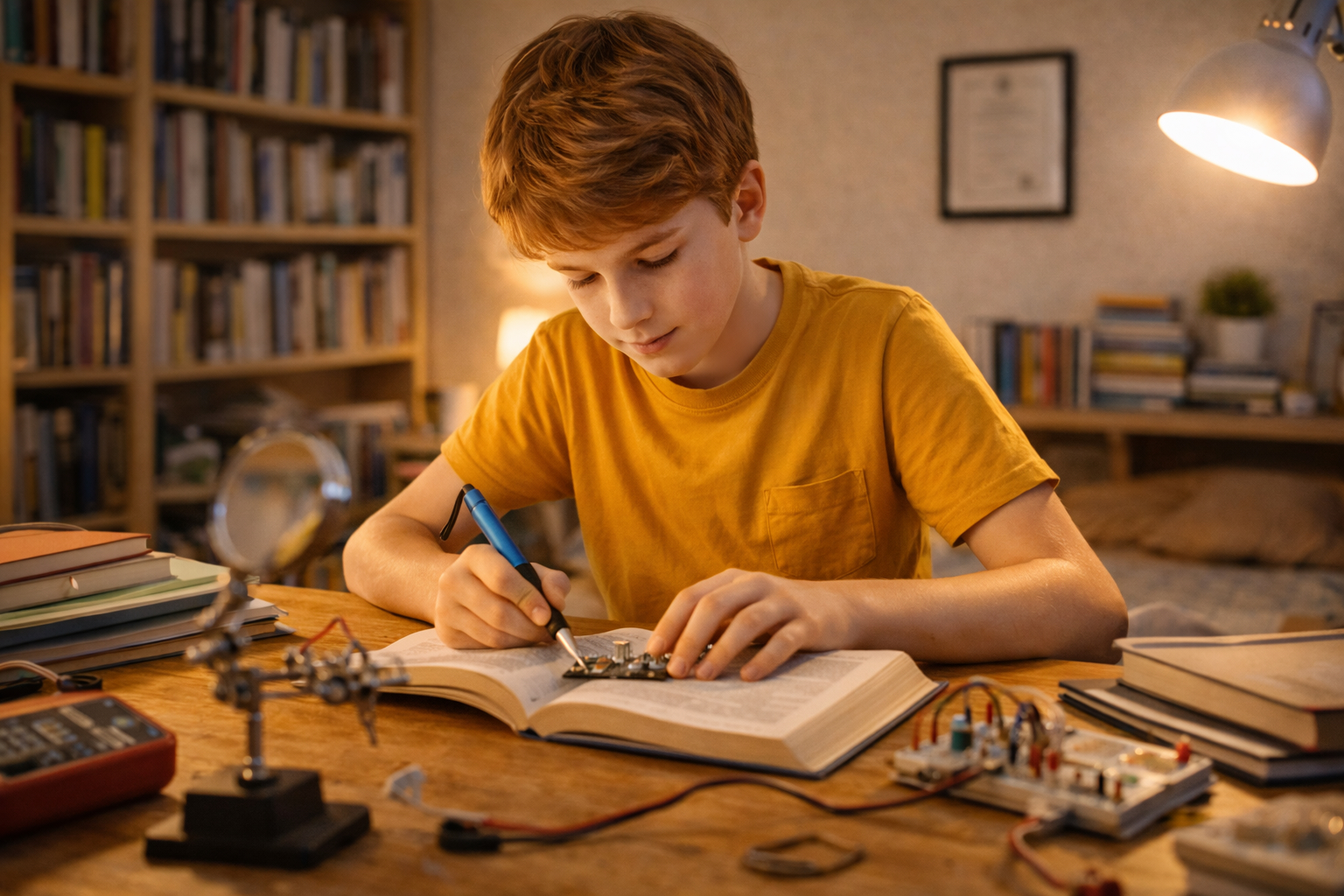
One of the most important gifts a child can develop is the ability to learn independently.
Reading is the foundation of this independence.
Once a child can read with confidence, they gain access to knowledge, ideas, and understanding without relying entirely on others. They can explore subjects that interest them, answer their own questions, and gradually take greater responsibility for their own learning.
This transition does not occur suddenly. It develops gradually, beginning with shared reading experiences in early childhood.
Reading allows the child to learn at their own pace
Before a child learns to read, their understanding of the world depends largely on what others explain to them.
As reading ability develops, the child begins to access information directly.
They are no longer limited to what they are told. They can explore, revisit ideas, and build understanding independently.
This ability strengthens their confidence and encourages curiosity.
It allows learning to continue naturally, without constant guidance.
Independence grows from confidence and familiarity
A child who feels comfortable with books is more likely to approach them independently.
Familiar stories, familiar words, and familiar experiences help reduce uncertainty. The child begins to trust their ability to understand what they see.
This trust allows them to explore further.
Over time, reading becomes a normal and self-directed activity, rather than something that depends on assistance.
This is an important step in the child’s development.
Early experiences shape the child’s long-term relationship with learning
The way a child first encounters reading influences how they approach it in later years.
When reading is associated with calm, meaningful experiences, the child develops a positive relationship with books and learning.
They do not see reading as an obligation.
They see it as something natural and accessible.
This perception supports academic progress, but it also supports broader intellectual independence.
The child becomes capable of learning, adapting, and understanding without relying entirely on others.
Independence develops gradually, through consistent support
A child does not become independent by being left alone. Independence develops through a process of supported learning.
Early shared reading experiences provide the structure and reassurance the child needs to build confidence.
Over time, the child begins to take a more active role. They recognise words, anticipate meaning, and eventually begin reading independently.
This transition reflects the gradual transfer of capability from adult to child.
AlwinBridge™ was created to support this progression, helping preserve the familiar stories and experiences that allow the child to revisit and strengthen their understanding as they move toward independent reading.
Reading independence supports lifelong capability
A child who develops confidence in reading gains more than academic ability.
They gain access to ideas, imagination, and knowledge throughout their life.
They are able to approach unfamiliar subjects with confidence, knowing they have the ability to understand.
This capability supports education, personal development, and decision-making.
It becomes part of how the child navigates the world.
The foundation for independence is built early
The early years provide the foundation on which future independence rests.
Through calm, consistent, and meaningful reading experiences, the child develops the confidence and familiarity needed to read alone.
Over time, they move naturally from shared reading to independent reading.
This progression reflects not only the development of skill, but the development of capability.
It allows the child to become an independent learner, supported by the foundation established in their earliest experiences.